Long read · English
Preventing Emotional Forex Trading
Preventing Emotional Forex Trading: a practical, no-hype guide for readers from Forex Trader Secrets.
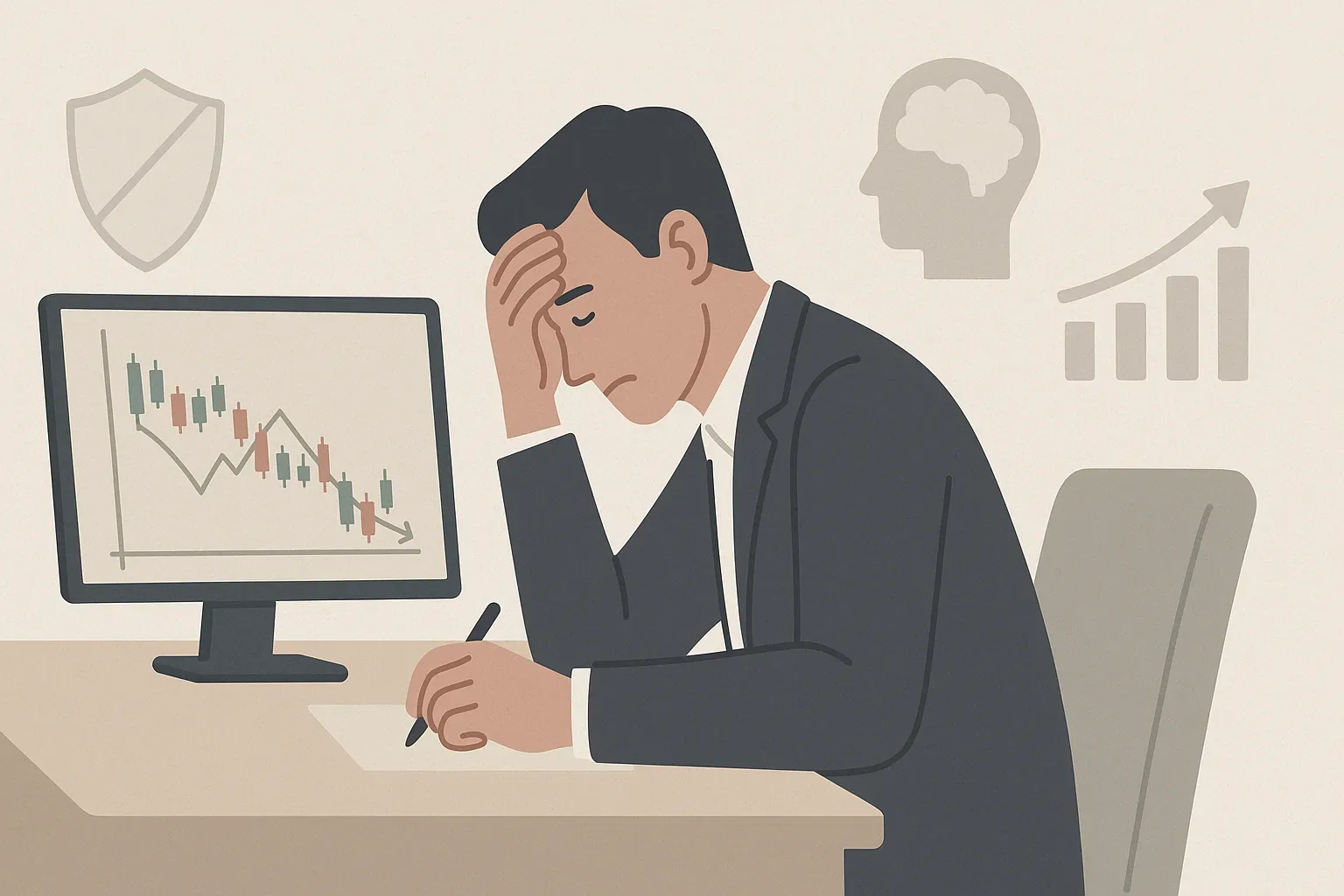
Yet, human nature often intervenes, transforming rational traders into impulsive gamblers. By understanding the insidious nature of emotions in trading and implementing concrete strategies, traders can safeguard their capital, preserve their mental well-being, and pave a clearer path toward sustainable success in the volatile currency markets. Ignoring the psychological dimension of trading is akin to navigating a stormy sea without a compass; it inevitably leads to disaster.
Understanding Emotional Trading: Why It's Your Biggest Forex Foe
Emotional trading in forex refers to making trading decisions based on feelings such as fear, greed, hope, or overconfidence, rather than strictly adhering to a predefined, objective trading plan. Emotional trading manifests in various destructive ways: chasing trades out of FOMO (fear of missing out), holding onto losing positions for too long out of hope, cutting winning trades short out of fear of reversal, or over-leveraging due to greed after a series of wins.
A trader swayed by emotions cannot apply their strategy consistently, making it impossible to evaluate its effectiveness or make necessary adjustments. Fear can paralyze a trader, preventing them from taking a small, pre-planned loss, which then spirals into a catastrophic one. Greed can lead to excessive position sizing, risking an disproportionate amount of capital on a single trade, or ignoring stop-loss orders. Thirdly, emotional trading erodes capital rapidly. A single impulsive decision, fueled by intense emotion, can wipe out weeks or months of diligent effort and hard-earned profits. It creates a vicious cycle where losses lead to more emotional, revenge trading, ultimately depleting the trading account and destroying confidence.
Identifying Your Personal Emotional Triggers in Forex
Keep a detailed trading journal, not just for trade entries and exits, but specifically to record your emotional state before, during, and after each trade. Note down feelings like anxiety, excitement, frustration, euphoria, or hesitation. Were you feeling pressure to trade? Were you bored or impatient? Did you deviate from your plan? If so, what emotion was driving that deviation?
Boredom or a desire for action can lead to entering trades without proper setup. The sunk cost fallacy can make you hold onto a losing trade because you have already invested time and capital, rather than cutting losses. Perhaps you consistently over-trade on Tuesdays, or you always move your stop-loss after a particular economic news release.
Building an Unshakeable Trading Plan: Your Emotional Blueprint
It is a comprehensive, written document that pre-defines every aspect of your trading activity, leaving no room for spur-of-the-moment decisions.
This includes your maximum risk per trade (e.g., 1% of capital), your maximum daily loss, and your maximum weekly loss. Incorporate a clear risk-reward ratio target for every trade, for instance, a minimum of 1:2. By specifying these limits beforehand, you remove the emotional debate of whether to take a loss or risk more. By formalizing every decision, your trading plan acts as an externalized, rational brain, guiding your actions and insulating you from the destructive influence of emotions.
Mastering Risk Management to Neutralize Fear and Greed
How do risk management strategies directly help in mitigating emotional responses like fear and greed? Fear often causes traders to exit winning trades too early, missing out on potential profits, or to widen stop-losses on losing trades, turning small, manageable losses into devastating ones. Greed, conversely, leads to over-leveraging, taking excessive risks, or holding onto winning trades for too long, only to see profits evaporate. Effective risk management strategies directly address these tendencies.
The cornerstone of risk management is strict position sizing, where you only risk a small, fixed percentage of your total trading capital (e.g., 1-2%) on any single trade. By placing a hard stop-loss at the moment you enter a trade, you pre-define your maximum loss, removing the emotional agony of deciding when to cut a losing position. This prevents hope from dictating your actions and forces you to accept small, necessary losses. By externalizing risk decisions and automating their execution where possible, risk management structures your trading such that emotional responses have a minimal impact on outcomes.
Developing a Disciplined Trader's Mindset: Psychological Strategies
What psychological techniques can I use to develop a more disciplined and detached trading mindset? Practice being present and observing your thoughts and emotions without judgment. Before and during a trade, take a moment to acknowledge any feelings of fear or greed that arise. Simply recognizing these emotions, rather than acting on them, creates a vital space for rational thought. This detachment allows you to refer back to your trading plan rather than react impulsively.
Another powerful strategy is visualization. Before you begin trading each day, visualize yourself executing your trading plan flawlessly, adhering to all your rules, accepting losses gracefully, and taking profits as planned. Imagine yourself remaining calm and objective regardless of market volatility. This mental rehearsal reinforces positive trading behaviors. Understand that no single trade is a certainty; every trade is simply one instance in a series of many. Focus on the long term probabilities of your strategy, rather than the outcome of any individual trade. This reduces the emotional impact of losses, as they are seen as part of the game, not personal failures. Practice cognitive reframing: instead of viewing a loss as a setback, reframe it as a learning opportunity or a necessary cost of doing business. Lastly, continuous learning and education reinforce confidence in your strategy, which in turn reduces uncertainty and emotional reactivity. A disciplined trader’s mindset is not about suppressing emotions entirely, but about managing them effectively so they do not dictate your trading decisions.
Practical Tools and Habits for Sustained Emotional Control
What practical tools and daily habits can help maintain emotional control during trading? Sustained emotional control in trading is built upon consistent application of practical tools and the cultivation of healthy daily habits. The primary practical tool is an effective trading journal, as discussed earlier. Make it a non-negotiable habit to log every trade, detailing the setup, your rationale, the outcome, and crucially, your emotional state and adherence to your plan. Regularly review this journal, looking for patterns in your emotional responses and identifying specific triggers.
Another critical habit is establishing a pre-trading routine. This might include reviewing market news, setting daily goals (e.g., maximum trades, maximum loss), conducting technical analysis, and engaging in a calming activity like meditation or deep breathing exercises. This routine mentally prepares you for the trading session, ensuring you start with a clear, focused mind. Regularly take short breaks during the trading day, especially after executing a trade or experiencing significant market volatility. Step away from the screens, stretch, or hydrate. This helps to reset your mental state and prevent decision fatigue. Utilizing automated tools where possible, such as placing hard stop-loss and take-profit orders directly with your broker, can remove the emotional pressure of manual execution. For developing consistent, beneficial routines, our guide on https://forextradersecrets.net/blog/sustainable-trading-habits offers valuable insights. These tools and habits create a structured environment that supports rational decision-making and minimizes emotional interference.
Objective Post-Trade Analysis: Learning from Your Data, Not Your Feelings
Objective post-trade analysis is a cornerstone of preventing future emotional trading. After each trade, and certainly at the end of each trading day or week, review your performance. This review must be dispassionate and data-driven, not based on how you feel about the outcome. Did you follow your trading plan exactly? Where did you deviate, and what emotions or external factors led to that deviation? Analyze your entry, exit, stop-loss placement, and position sizing. Calculate your risk-reward ratio for each trade and your overall win rate. A losing trade executed perfectly according to your plan is a successful trade in terms of discipline, while a winning trade achieved through emotional deviation is a dangerous habit forming. Use your trading journal as your primary tool for this analysis. Identify recurring emotional patterns that lead to mistakes and develop specific countermeasures. For example, if you consistently move your stop-loss, remind yourself in your journal why that is detrimental and what specific action you will take to prevent it next time. This systematic review allows you to learn from your experiences, reinforce positive habits, and systematically weed out emotional behaviors, turning past mistakes into future strengths.
Knowing When to Take a Break: Preventing Burnout and Impulsive Decisions
Recognizing when to step away from the markets is a critical skill for preventing emotional trading and ensuring long term sustainability. Trading is mentally demanding, and prolonged exposure without breaks can lead to burnout, fatigue, and impaired judgment, making you highly susceptible to emotional impulses. If you find yourself repeatedly deviating from your plan, experiencing intense frustration or euphoria, struggling to focus, or feeling overwhelmed, these are clear signals that you need a break. Winning streaks can lead to overconfidence and recklessness, while losing streaks can trigger revenge trading and despair.
Taking a break doesn't necessarily mean stopping for days; it could be stepping away from the charts for an hour, for the rest of the day, or for a full weekend. During these breaks, engage in non-trading related activities that you enjoy and find relaxing. Reconnect with hobbies, spend time with loved ones, or simply rest. Instituting daily or weekly loss limits is also a practical way to enforce breaks. If you hit your predetermined loss limit, stop trading immediately for the rest of the period. This protects your capital and prevents impulsive decisions driven by the desire to quickly recoup losses. Prioritizing your mental and emotional health is not a luxury; it is a fundamental requirement for consistent and successful trading.
Preventing emotional forex trading is an ongoing journey of self-mastery, discipline, and systematic application of robust trading principles. By understanding why emotions derail traders, identifying your unique triggers, building an unshakeable trading plan, mastering risk management, cultivating a disciplined mindset, and employing practical tools and habits, you empower yourself to make objective decisions consistently.
Forex Trader Secrets provides education and analysis, not financial advice. Every leveraged trade carries a high risk of losing your entire balance. Always review how we assess a trading provider at https://forextradersecrets.net/blog/how-we-assess-a-trading-provider before depositing funds. This information is for educational purposes only and is not an offer or solicitation to buy or sell any financial instrument.